Most first-time safari travelers choose the lodge too early.
I understand why. The lodge is the easiest part to compare online. You can judge the suite, pool, architecture, food, and view from a photograph. The harder questions, such as the quality of the guiding, the wildlife area, the season, the pace, and the logistics, are often the ones that determine whether the trip is exceptional.
My advice is simple: choose the experience first and the lodge second.
Here are the six questions I would answer before putting any safari property on your short list.

1. What do you actually want to experience?
“Seeing wildlife” is not specific enough.
Do you imagine open grasslands and enormous herds? Dense bush and close Big Five viewing? Walking with an expert guide? Photography? Conservation? Food and wine? Time with your family? A private vehicle that can move at your pace?
East and Southern Africa can deliver very different landscapes, seasons, activities, and styles of travel. Even neighboring reserves can feel different.
Start with the feeling and the priorities. The country should follow. This beginner’s safari-planning guide from &Beyond is a useful overview of the decisions involved.
My point of view: Bring me the safari images and lodges you have saved, but do not become attached to them before we understand why they appealed to you. The right answer may be somewhere you have not researched.
Planning a first safari? Start with a conversation. Tell me who is traveling, when you can go, and what you picture when you think about Africa.
2. Are you investing in the room or what happens outside it?
A beautiful lodge matters. I love great design, thoughtful food, excellent wine, privacy, and service that anticipates what a guest needs.
But the room is not the entire product.
- A remarkable private guide
- A skilled tracker
- Fewer vehicles at a sighting
- Flexible game-drive times
- Access to a private concession
- Specialist photography or naturalist knowledge
- Better positioning for a seasonal wildlife event
- Smooth charter flights and transfers
I would rather place a client in the right wildlife area with the right guide than choose a more photogenic lodge in the wrong place.
The best guides do more than find animals. They interpret animal behavior, explain the ecosystem, read the group, and make the quiet time between sightings fascinating. The ideal guide is part naturalist and part conversationalist.

3. What tradeoff are you making with the season?
There is no single “best” time for all of Africa.
Dry periods can make animals easier to find because vegetation is thinner and wildlife gathers around water. They can also bring higher rates, colder early-morning drives, more demand, and more vehicles in popular areas.
Greener periods can mean dramatic landscapes, newborn animals, migratory birds, fewer travelers, and better value. Wildlife may require more patience to find. Go2Africa’s high-season and low-season guide provides additional context.
The migration adds another layer. A river crossing is a natural event, not a scheduled performance. Travelers who build the entire trip around one predicted moment need to accept uncertainty.
My point of view: Do not ask only, “When is the best time to go?” Ask, “What will I gain and give up by traveling then?”
For high-demand migration dates or a particular lodge, begin planning at least a year ahead. For more flexible trips, availability may be possible closer in, particularly outside peak season. Early planning creates choices. It does not make wildlife predictable.
The best safari is not determined by a universally “best” lodge or month. It is determined by what you want to experience, and which tradeoffs make sense for you.
4. Who is traveling, and how does everyone handle real wilderness?
This is especially important for families and multigenerational groups.
Age restrictions are only the beginning. I also want to know:
- How long can everyone enjoy a game drive?
- Does the family need a private vehicle?
- How will children respond to predation or animal remains?
- Is anyone anxious about insects, darkness, small aircraft, or remoteness?
- Does anyone have mobility, medical, dietary, or sensory considerations?
- Would the group enjoy walking, culture, conservation, food, or city time between wildlife experiences?
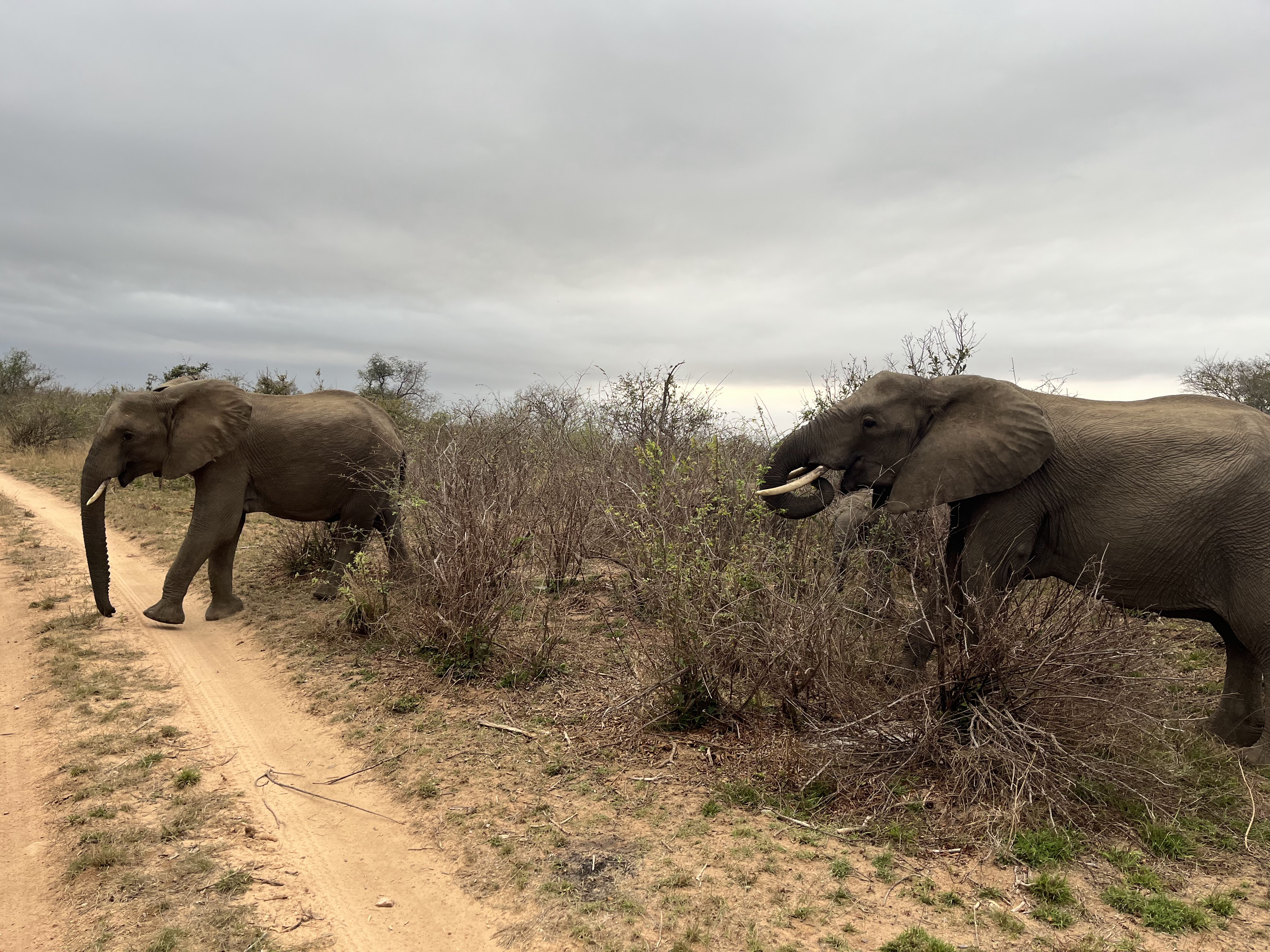
My first stay was at Narina Lodge, part of Lion Sands Game Reserve in Kruger National Park. A hyena rested beside our room, so we called the lodge team and waited. I also removed a spider from our room that our guide later described as “the second most venomous spider in Africa.”
Those stories are funny now, but they make an important point: a luxury lodge is still inside the animals’ environment.

Safari is not a resort vacation with wildlife added. Nature remains in charge.
A traveler does not need to be fearless. Good preparation reduces anxiety. But if insects, wildlife, uncertain timing, and the realities of life and death would create constant distress, another kind of trip may be more enjoyable.
5. Does the itinerary have enough breathing room?
A common mistake is treating safari like a checklist.
Every additional region, lodge, or border creates another transfer, flight, packing consideration, and opportunity for disruption. An itinerary can look impressive on paper and feel exhausting in practice.
A ten-day trip may not create ten full days in the bush once international travel and internal connections are considered. It’s important to account for the time lost to transportation.
I prefer to ask whether each move meaningfully changes the experience. If two lodges offer similar landscapes, activities, and wildlife, adding the second may create unnecessary movement without adding value.
The right pace depends on the traveler, but this principle is consistent: do not spend the trip repeatedly leaving the place you traveled so far to reach.
6. Who is responsible for the whole trip?
A safari can involve an international airline, regional flights, charter aircraft, lodges, transfer companies, guides, hotels, and different local operators.
Someone needs to understand the complete journey.
My role is not to pretend I know more than a specialist who works in a destination every day. My role is to understand my client, select the right specialist, ask better questions, connect the moving parts, and remain accountable for the overall experience.
For the right safari, I may bring a trusted specialist such as Piper & Heath into the conversation with my client. Putting a face to the name allows the traveler to meet the people helping shape their trip, hear the reasoning behind each recommendation, and feel more involved in the design process. It removes much of the anxiety and hesitation that can come with choosing a supplier halfway around the world. There is often a moment when I see the client take a deep breath and a smile begin to appear because they realize they are in good hands.
Approximately 30 to 45 days before departure, we can then review the details that reduce anxiety: baggage, small-aircraft procedures, transfers, packing, lodge routines, gratuities, contact information, and which timings may only be finalized shortly before travel.
Luxury does not mean every variable disappears. It means you understand what to expect and know who is handling it.
Why South Africa works particularly well for many first-time travelers
South Africa is not automatically the best first safari for everyone, but it is an unusually versatile starting point.
A trip can combine excellent wildlife with Cape Town, the Winelands, the coast, food, marine wildlife, and nature reserves such as Grootbos. Nonstop service from Newark to Johannesburg and Cape Town can also simplify the international journey when the schedule works.
That variety helps when a couple or family does not want every day to revolve around game drives.
My own trip moved from Lion Sands to Grootbos and finished at One&Only Cape Town. It connected wildlife, fynbos, whale watching, food, wine, and the city without making the experience feel fragmented.
Lion Sands was named the No. 1 safari lodge in Africa and the No. 4 hotel in the world in Travel + Leisure’s 2026 World’s Best Awards. That recognition is impressive, but what stayed with me most was how genuinely warm and approachable everyone was. You do not feel like you are being formally hosted from a distance. You find yourself laughing with the guides, getting to know the team, and having real fun with the people around you.
On our final night, we gathered for a traditional South African braai and sat around the table with our guide, laughing as if we had known him far longer than a few days. He was knowledgeable and professional, but also just a normal, funny, slightly nerdy guy. That combination made the experience feel both exceptional and completely comfortable.

How to work with The Short List
Read the shortlists
Use my safari guides and reviews to narrow the options and understand who each experience fits.
Book the hotel portions yourself
Through the TravelWits booking tool, you can book participating luxury hotels with eligible Virtuoso and preferred-partner amenities included. Depending on the property and rate, these may include daily breakfast, hotel credits, priority for upgrades, and added recognition during your stay. Benefits vary and should always be confirmed for the specific reservation.
Safari packages, charter flights, and more complex itineraries typically require more than a hotel booking link. Request TravelWits access.
Apply for private planning
For a full safari, I personally coordinate the trip with trusted local specialists and manage the hotels, transportation, experiences, and details in between.
Private planning is available by application. I accept a limited number of trips at a time to maintain the level of attention, care, and personal involvement each itinerary requires.

Planning your first safari?
A safari has too many meaningful variables to reduce to a hotel search. Start with a conversation, and I’ll help determine the destination, season, lodge, and specialist partner that best fit the people taking the trip.
Prefer to book the hotel yourself? Request access to eligible preferred-partner hotel rates and amenities.
The shortest answer
The right safari is not the one with the most expensive lodge.
It is the one with the right wildlife area, timing, guide, pace, and support for the people taking it.
Less searching. Better choices. Travel personally curated by Hayden Reider.
Frequently Asked Questions About Choosing a Safari
Is South Africa a good choice for a first safari?
Yes, particularly for travelers who want to combine wildlife with Cape Town, food and wine, coastal scenery, or other hotel experiences. It is not automatically the best choice for someone focused on a specific East African landscape or migration event.
When is the best time to take an African safari?
There is no single best month for all of Africa. Dry periods can offer easier wildlife viewing, while greener periods may bring dramatic scenery, newborn animals, migratory birds, fewer travelers, and better value. The best timing depends on the destination and the tradeoffs that matter to you.
How many nights should I spend on safari?
The right length depends on the destination, number of regions, and the rest of the itinerary. In general, allow enough time to settle into the rhythm of the bush without moving lodges simply to add another name. Each transfer should create a meaningfully different experience.
Is an African safari appropriate for children?
It can be, but lodge age rules are only the beginning. Consider how long each child can enjoy a game drive, how they respond to insects and wildlife, whether a private vehicle is appropriate, and how they may react to predation or animal remains.
Should I use a travel advisor to plan a safari?
A knowledgeable advisor can be especially valuable when a trip includes regional flights, charter aircraft, multiple lodges, transfers, specialist operators, and travelers with different needs. The advisor should understand the whole journey, select the right local expertise, and remain accountable for how the moving parts fit together.